What AI Can’t Teach Leaders
Mar 26, 2026
As AI becomes more ingrained in our work, leadership is becoming more efficient and, in some ways, more disconnected. Leaders today can analyze faster, automate decisions, and move quickly. And yet, in my work as an executive coach, I see a different challenge emerging. Leaders aren't struggling with information. They're struggling with how they show up and how that shapes real-time communication.
I guided him through a simple grounding exercise, breathing slowly, letting his awareness drop from his head through his body and into his feet. Then he lightly shook out his arms and legs to release tension.
Nothing dramatic. Just a shift. The executive approached the horse again. This time, he was more settled and less attached to the outcome. When he reached out, the horse responded immediately, lowering her head, softening her eyes, and allowing the contact. The difference wasn't technique. It was the shift in the executive and how that changed the interaction.
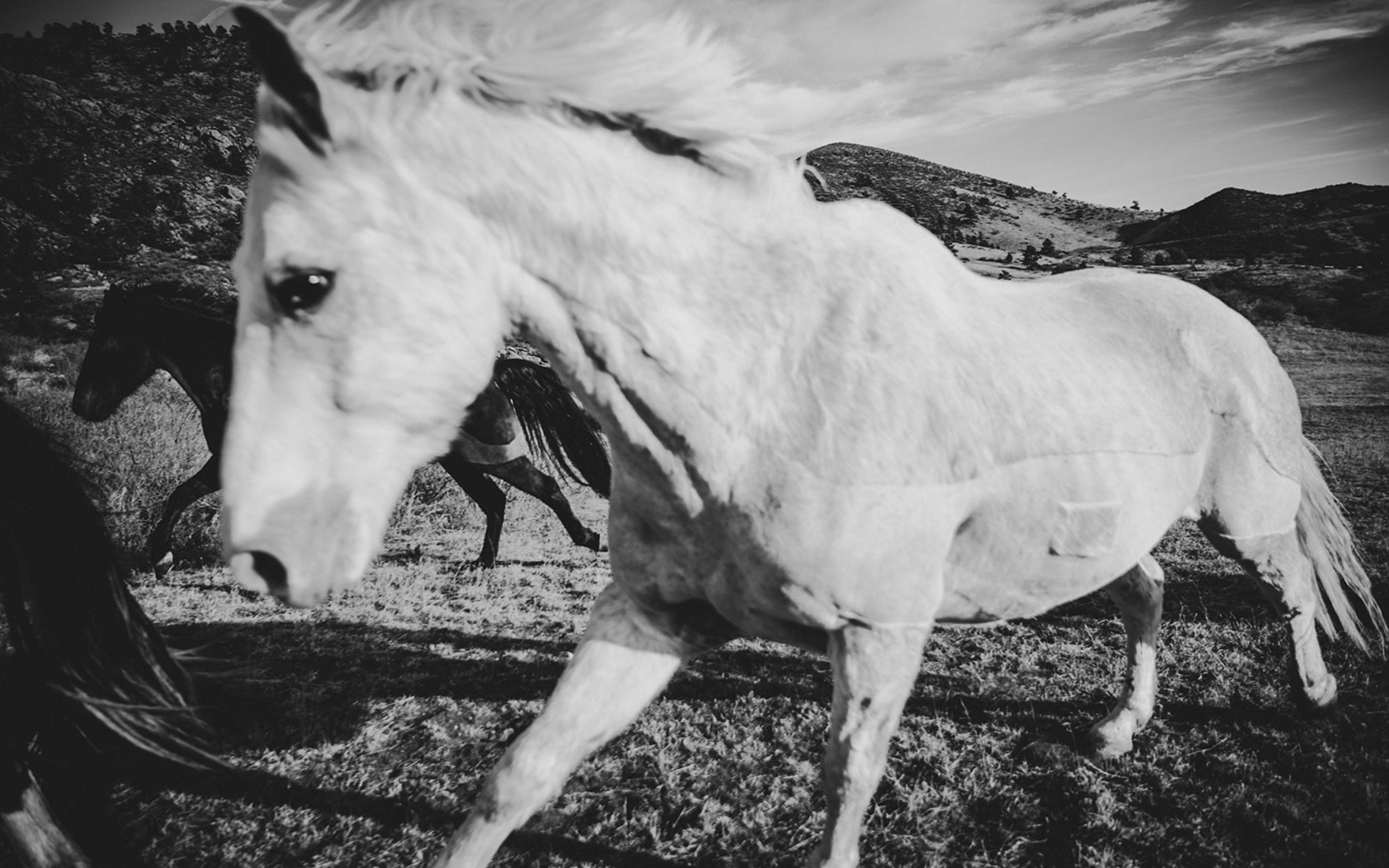
Horses make this easy to see. They pick up on small changes in people's posture, tension, and attention and respond to what's actually happening in the moment. Research shows that horses can distinguish human emotional expressions and respond in real time, offering immediate, nonjudgmental feedback to what's happening beneath the surface.

That's what leadership often comes down to, not just what we say or decide, but how our internal state shapes communication in the moment. AI can process enormous amounts of data. It can summarize meetings, generate a strategy, and recommend decisions. But it can't track something leaders rely on constantly: how their internal state shows up in real-time communication.
It doesn't notice when someone is trying too hard. It doesn't feel when a person becomes more settled. It doesn't recognize how that shift affects others' responses.
Those small shifts matter. They shape whether a conversation moves forward or stalls. The leaders who handle this well aren’t doing anything dramatic. They’re paying attention, staying steady, and adjusting as things unfold.
A few months later, the executive told me about a high-stakes sales meeting. Right before walking in, he noticed the same thought come up: I hope they like me. This time, he recognized it for what it was and didn’t follow it. He thought back to that moment at the ranch, what it felt like to let the tension drop. So he paused for a second, reset, and walked more directly and clearly.
Right now, leadership is focused on speed - moving faster, doing more, keeping up. That matters. AI is changing how we work, and leaders who use it well will have an advantage. But the best leaders have always known something simpler: how they show up shapes how others respond. And it’s getting easier to lose sight of that. There’s more coming at people, less space to pause, and it’s easy to lose track of what’s actually happening in the moment.
What moves leaders forward isn’t just strategy. It’s their ability to read a room, build trust, and regulate themselves in real time. These are relational skills, and they’re what make communication effective. Most leadership development still happens in environments built around thinking and talking: presentations, frameworks, and slide decks. These formats help leaders understand concepts.
They don’t always show leaders how they’re actually showing up. That’s where experiential executive coaching can be so powerful.
It brings patterns to the surface quickly. It makes the gap between intention and impact visible. It turns communication into something you can actually feel and respond to.
Author